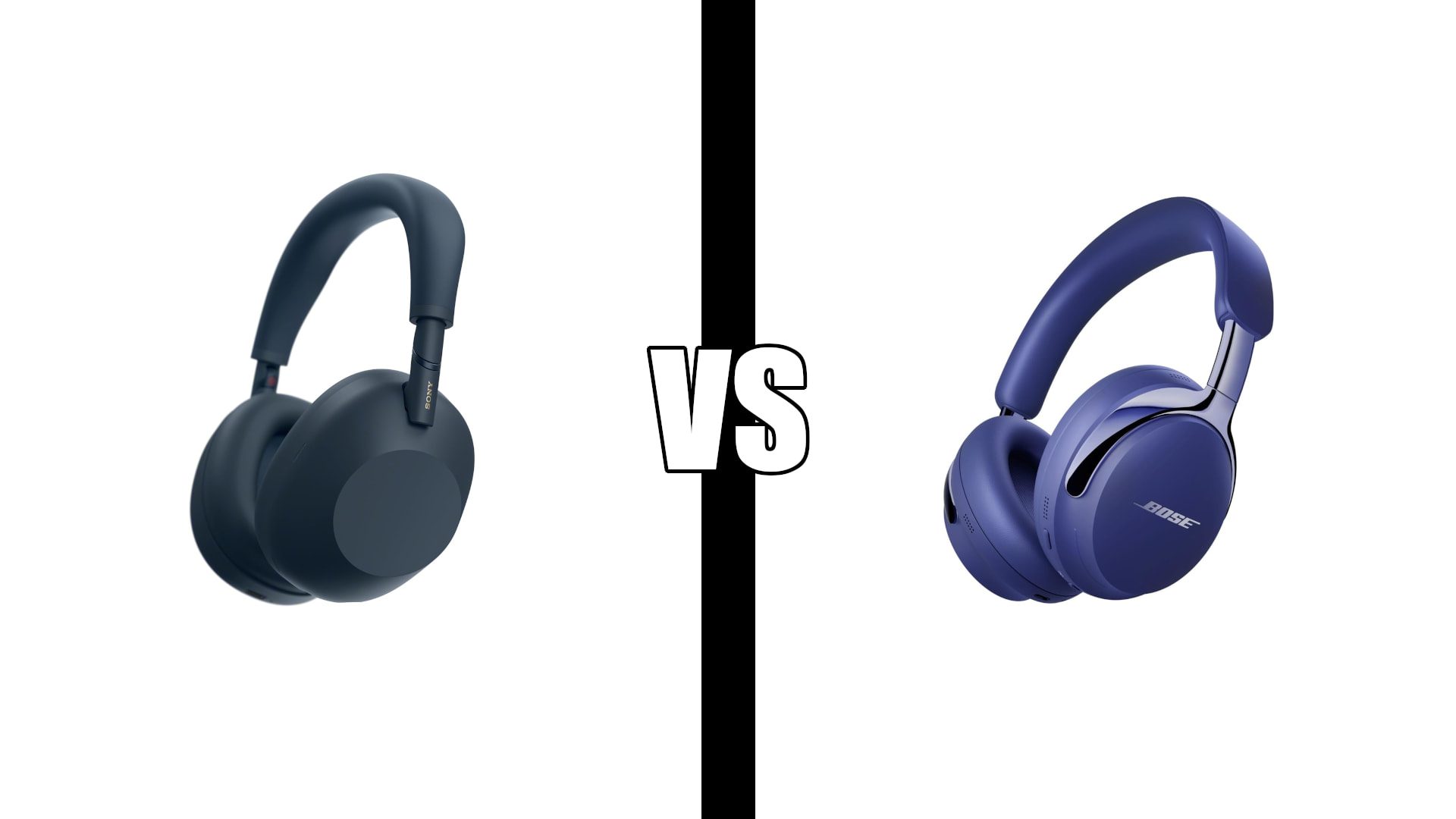
Bose QC Ultra vs Sony XM6: Which Should You Buy?
Category: Tech & Gear | Reading time: 5 min | Last updated: August 2026
Disclosure: This post contains affiliate links. If you buy through our links we may earn a small commission at no extra cost to you.
Quick picks
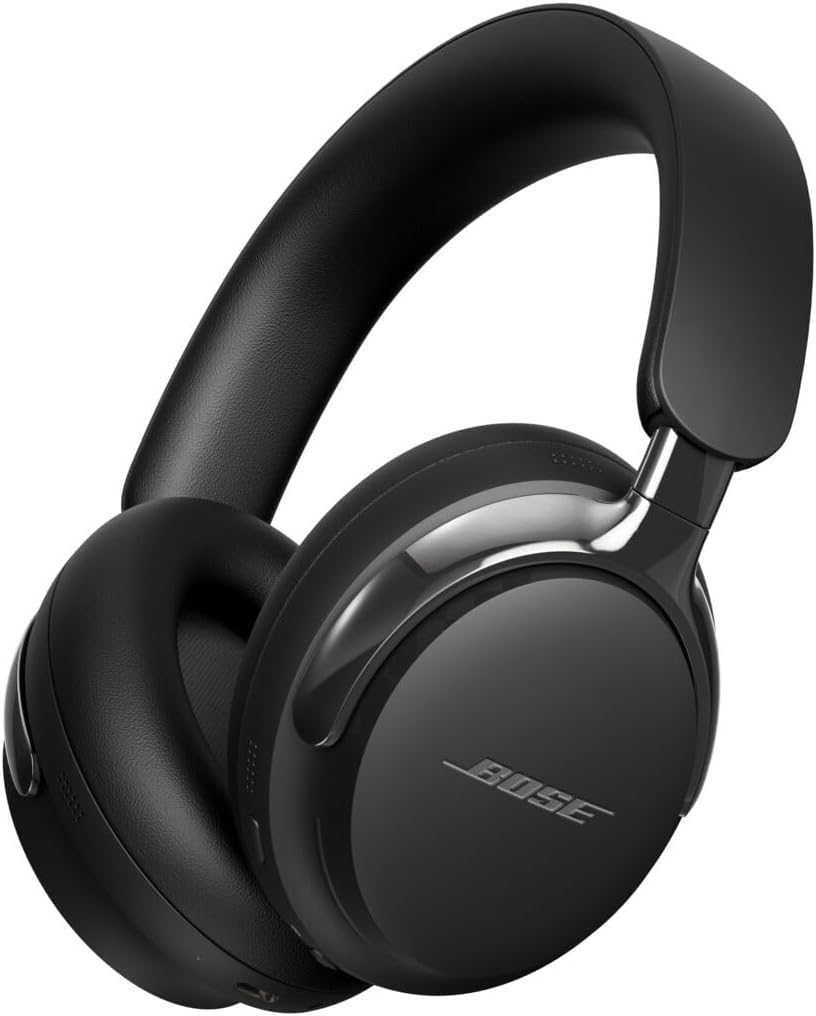
The short answer: Bose QC Ultra vs Sony XM6. Both headphones are 4.2 stars with 30-hour battery and excellent noise cancellation — this is genuinely a close call. Buy the Sony XM6 if call quality and microphone performance matter for your work. Buy the Bose QC Ultra if you prioritize comfort during long sessions and want spatial audio. The Bose is $30 cheaper and has more monthly buyers — the Sony has more sophisticated noise cancellation technology and better microphone performance.
If you have settled on Bose but not on which Bose, our QuietComfort vs Ultra breakdown compares all four models in the current lineup.
Side by side
| Feature | Sony WH-1000XM6 | Bose QC Ultra 2nd Gen |
|---|---|---|
| Price | ~$398 | ~$369.99 |
| Rating | 4.2/5 · 3,425 reviews | 4.2/5 · 2,513 reviews |
| Processor | QN3 — 7x faster than XM5 | Bose custom |
| Microphones | 12 | Built-in noise rejecting |
| Spatial audio | No | Yes — Immersive Audio |
| Cinema Mode | No | Yes |
| USB Voice calls | No | Yes |
| Battery | 30 hours | 30 hours (23 with Immersive Audio) |
| Quick charge | 3 min = 3 hours | Standard USB-C |
| Foldable | Yes | Yes |
| Monthly buyers | 2,000+ | 4,000+ |
Jump to a section
Sony WH-1000XM6
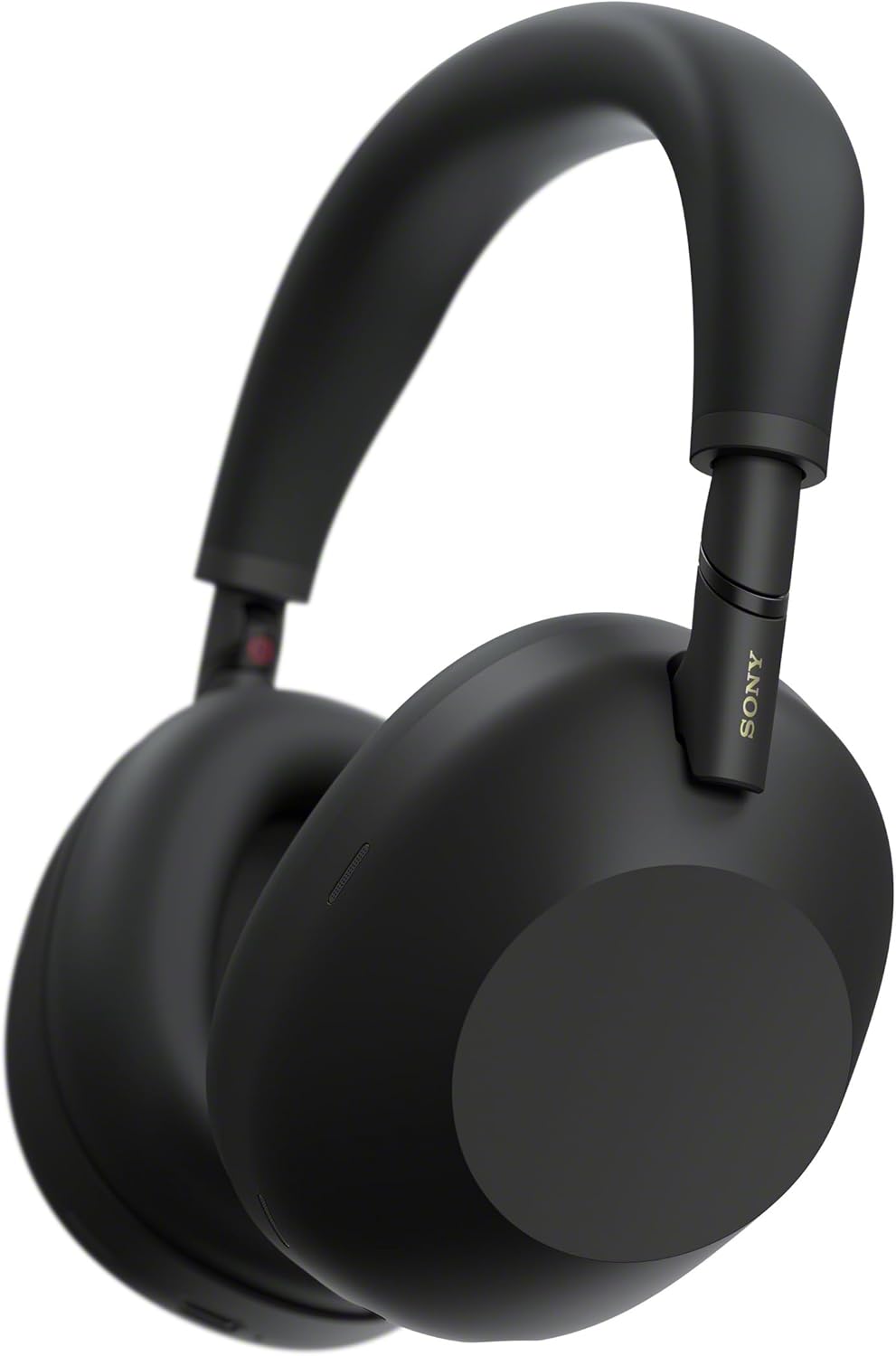
The XM6 is Sony’s most advanced noise cancelling headphone and a meaningful upgrade over the XM5. The QN3 processor runs 7x faster than the QN1 in the XM5, optimizing 12 microphones in real time. That processing speed is what gives the XM6 its edge in rapidly changing noise environments — it adapts faster than anything previously available.
The six-microphone AI beamforming system for calls is the standout feature for home office users specifically. It isolates your voice, filters background noise, and handles wind — the combination means call quality is noticeably better than most wireless headphones at this price. If you’re on video calls frequently this matters more than almost any other spec.
The carbon fiber dome driver delivers sound that mastering engineers signed off on — not a marketing claim but a genuine collaboration with recording professionals that resulted in a different frequency response profile than the XM5. The 3-minute quick charge giving 3 hours of playback is practical for anyone who forgets to charge overnight.
“These are the best headphones ever. The noise cancellation is fantastic — even without listening to anything it cuts down sound a whole lot. It’s instantly calming just to not be in constant noise. I’m able to leave my phone upstairs and go all the way to the basement without disconnecting. The battery lasts so long. If you’re on the fence it is totally worth it.”
Who it’s for: Remote workers who take frequent calls, anyone who wants the most technically advanced noise cancellation available, and anyone upgrading from the XM5 who wants a meaningful improvement.
Pros:
- QN3 processor — 7x faster than XM5
- 12 microphones — most in this comparison
- Six-mic AI beamforming for superior call quality
- 3-minute quick charge
- Carbon fiber driver co-developed with mastering engineers
- Adaptive NC Optimizer
- 5 color options
Cons:
- $398 — $30 more than Bose
- No spatial audio
- No Cinema Mode
- Some users find less comfortable than Bose for very long sessions
| Spec | Detail |
|---|---|
| Price | ~$398 |
| Processor | HD NC QN3 |
| Microphones | 12 |
| Battery | 30 hours |
| Quick charge | 3 min = 3 hours |
| Colors | 5 options |
Bose QuietComfort Ultra 2nd Gen
The QC Ultra 2nd Gen is Bose’s most feature-rich headphone and the more comfortable option for extended wear. The plush ear cushions and refined metal headband distribute pressure more evenly than the Sony — real-world users who have tried both consistently note the Bose wins on comfort for sessions of four hours or more.
Spatial audio is the headline feature unique to the Bose — it spatializes sound so music and audio feel like they’re coming from in front of you rather than inside your head. Immersion Mode combines noise cancellation and spatial audio simultaneously. Cinema Mode specifically optimizes for video content. These are genuinely different listening experiences from standard stereo headphones and the Sony doesn’t offer them.
USB Voice is worth calling out for remote workers — connecting via USB-C gives you high-quality two-way communication specifically optimized for video conferencing. That’s a different use case from the Sony’s wireless call quality improvement.
At $369.99 the Bose is $30 cheaper than the Sony and has 4,000+ monthly buyers versus the Sony’s 2,000+ — suggesting more people are choosing the Bose at the point of purchase despite the Sony’s more advanced specs on paper.
“The sound quality is outstanding — rich detail, deep bass, and clear vocals that make music, podcasts, and movies feel more immersive. The noise cancellation is excellent and helps block out distractions. Incredibly comfortable even during long listening sessions. The ear cushions feel soft, the fit is secure, and the lightweight design makes them easy to wear for hours. These headphones deliver the perfect combination of comfort, performance, and convenience.”
Who it’s for: Anyone who wears headphones for four or more hours at a stretch, anyone who wants spatial audio and Cinema Mode, and remote workers who do video conferencing via USB connection.
Pros:
- $30 cheaper than Sony
- Spatial audio — unique feature not on Sony
- Cinema Mode for video content
- USB Voice for video conferencing
- More comfortable for long sessions per real-world comparisons
- 4,000+ bought last month
- Immersion Mode combines ANC and spatial audio
Cons:
- White noise audible at maximum ANC setting
- Cannot manually turn off — auto-off only
- Build quality feels less premium than price suggests per some users
- Battery drops to 23 hours with Immersive Audio enabled
- Mic less preferred than Sony for calls per real-world users
| Spec | Detail |
|---|---|
| Price | ~$369.99 |
| Spatial audio | Yes |
| Cinema Mode | Yes |
| USB Voice | Yes |
| Battery | 30 hours (23 with Immersive Audio) |
| Colors | 5 options |
Key differences that matter
Noise cancellation technology:
The Sony’s QN3 processor is objectively more advanced — 7x faster processing with 12 microphones adapting in real time. The Bose QC Ultra has excellent noise cancellation but the Sony’s system responds faster to changing environments. For pure ANC performance the Sony has the technical edge.
Comfort for long sessions:
The Bose wins here consistently in real-world comparisons. People who have tried both report the Bose ear cushions and headband pressure distribution are more comfortable for sessions of four hours or more. If you wear headphones all day the Bose comfort advantage is meaningful.
Microphone and call quality:
The Sony wins on calls. Real-world users who have tried both note people on the other end prefer the Sony mic. The Bose mic is described as “Good Enough” — fine for calls but not great. The Sony’s six-microphone AI beamforming is a genuine technical advantage for remote workers.
Spatial audio:
Bose only — the Sony doesn’t have it. If you watch a lot of video content or want music to feel more immersive and three-dimensional the Bose Immersive Audio and Cinema Mode are genuinely different listening experiences.
Price:
$30 difference — $398 Sony vs $369.99 Bose. Not a decisive factor at this price point but worth noting the Bose delivers more features for less money even if some specs favor the Sony.
Which should you buy
Buy the Sony XM6 if:
- You take frequent calls and need the best microphone quality
- You want the most technically advanced noise cancellation available
- You’re upgrading from the XM5 and want a meaningful improvement
- Call clarity on video meetings is your primary use case
Buy the Bose QC Ultra 2nd Gen if:
- You wear headphones for four or more hours at a stretch
- You watch a lot of video content and want Cinema Mode
- You want spatial audio for music
- You do video conferencing via USB connection
- Budget matters and you want more features for $30 less
The honest bottom line:
This is one of the closest comparisons in this guide. Both headphones are excellent — the right choice comes down to use case. Calls and technical ANC performance → Sony. Comfort, spatial audio, and video content → Bose. Neither is the wrong choice.
For a full comparison of the Sony XM5 versus XM6 see our Sony XM5 vs XM6 guide. For the complete noise cancelling headphone roundup see our best noise cancelling headphones guide.
Continue reading
Frequently asked questions
Is the Sony XM6 better than the Bose QC Ultra?
On noise cancellation technology and microphone quality — yes. On comfort for long sessions and spatial audio features — the Bose wins. Neither is definitively better overall. The right choice depends on whether you prioritize call quality and ANC performance (Sony) or comfort and immersive audio (Bose).
Which is better for working from home?
If you take frequent video calls the Sony’s microphone system is the better choice. If you wear headphones all day without many calls the Bose comfort advantage becomes more significant. Both have excellent noise cancellation for blocking out home environment noise during focused work.
Is the $30 price difference worth it?
The Sony costs $30 more and has more advanced noise cancellation technology and better microphone performance. The Bose costs $30 less and adds spatial audio and Cinema Mode that the Sony doesn’t have. The value depends on which features matter more to you — there’s no clear winner on price-to-value.
Do both headphones work with Mac and iPhone?
Yes — both the Sony XM6 and Bose QC Ultra are compatible with iOS, Android, Mac, and Windows. Both connect via Bluetooth and USB-C. The Bose USB Voice feature works specifically when connected via USB-C for video conferencing.
All prices approximate and subject to change. Check current pricing at checkout. Last updated August 2026.